
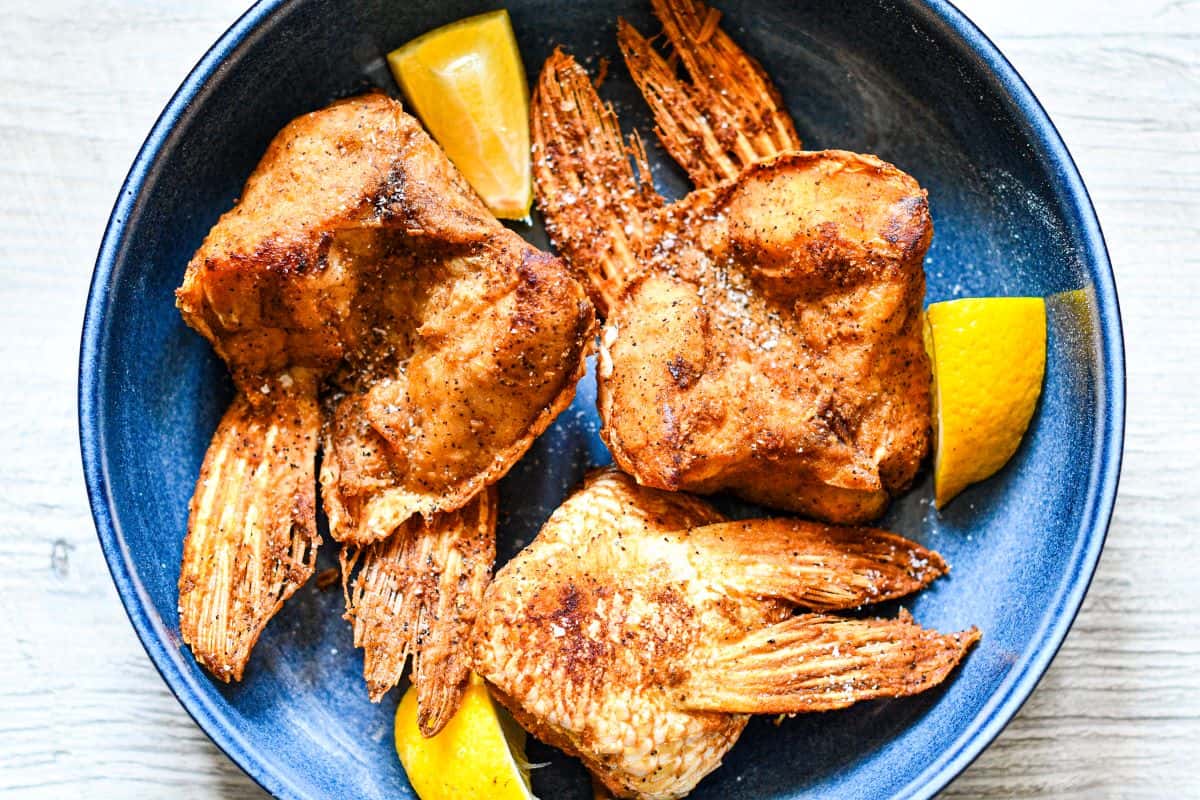
Learn how to make Fried Fish Collars (Fish Wings), also known as saltwater quail, using Redfish throats or similar fish you might have available. This fish collar recipe is ready in only 20 minutes!
Why You Should Be Cooking Fish Collars
If you’ve ever filleted a fish and tossed the collar aside, I’m here to tell you — you’ve been throwing away pure gold.
The fish collar, also called the fish throat, fish wing, or affectionately marsh chicken, is the meaty, gelatin-rich section just behind the gills and below the head. In many coastal fishing communities, it’s a prized cut — more flavorful and juicier than a fillet. Some even call redfish throats the “ribs of the sea.” And once you fry them? You’ll understand why these crispy, savory bites have earned a cult following from Gulf Coast anglers to North Dakota walleye fishermen.
Watch The YouTube Video on How To Harvest A Fish Collar
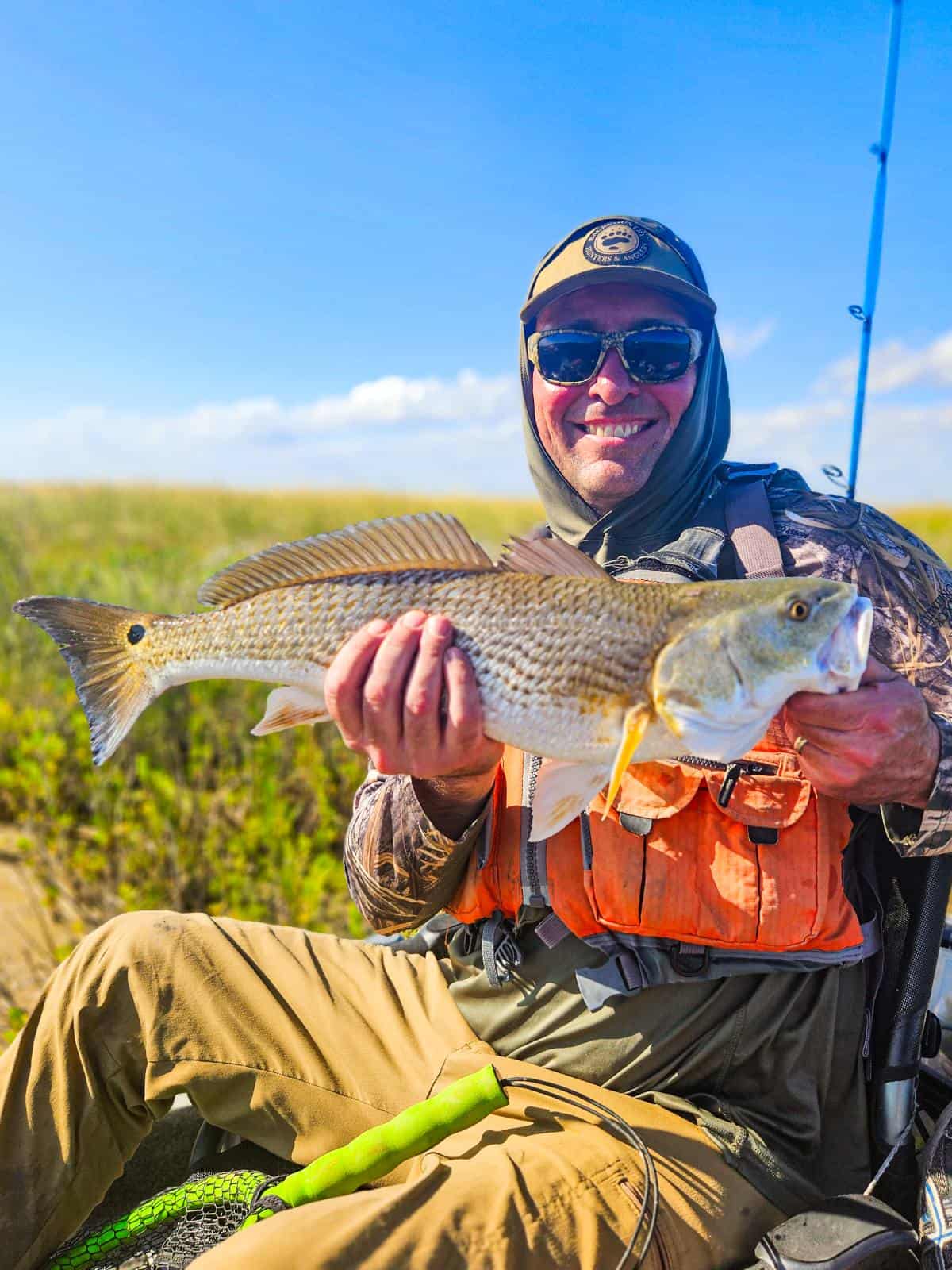
Watch this YouTube video and learn how to harvest a fish collar using a Redfish I caught off of Matagorda Island in Texas.
Whether you're working with redfish collars, snapper throats, or walleye wings, this dish turns overlooked scraps into show-stopping snacks.
What is a Fish Collar?
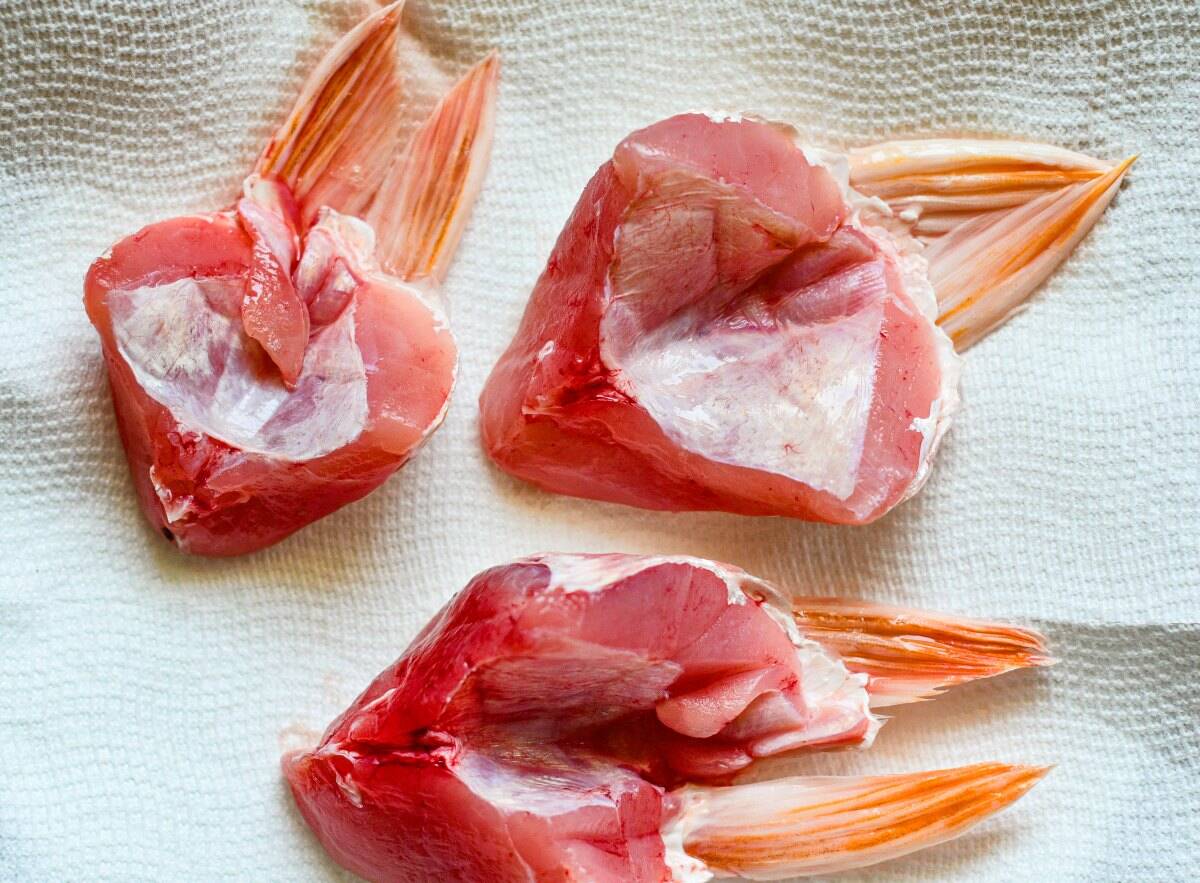
A fish collar is the fatty, flavorful section that surrounds the pectoral fins. If you picture the “shoulders” of the fish, that's where it sits. On a large fish like redfish, grouper, or bigger walleye, the collars have enough meat to rival chicken wings in both size and satisfaction. Hence the nickname fish wings.
The crispy skin. The juicy meat. The gnawing satisfaction of picking every last bite clean. It’s an experience somewhere between a buffalo wing and a piece of perfectly fried chicken — but from the water.
Cornstarch Secret for Crispy Fish
Cornstarch is the not-so-secret weapon for that extra-crispy coating. It’s used in Japanese cuisine for tempura batters, which are ultra crispy and crunchy. So I decided to take a nod from that and combine cornstarch with the traditional flour coating used in fried chicken. It helps create a delicate, shatteringly crisp crust that’s lighter than flour alone. You’ll notice the difference with every perfectly delicious crunch.
Keep the Breading From Falling Off
The secret to keeping the coating intact is in the prep. First, pat the fish dry with paper towels to remove surface moisture. This helps the dredge adhere properly.
Next, make sure you press the dredging mixture firmly onto the fish. Don’t just toss them around and call it good. Give those fish collars a little love.
Then, here’s a trick many people miss: let the breaded fish collars rest for 10 minutes before frying. This helps the flour and cornstarch mixture bond with the surface of the fish, almost like a second skin. That rest time really makes a difference.
Also, don’t overcrowd your skillet when frying. If the fish collars are bumping into each other, it can knock off the crust. You want each piece to sizzle in its own little space. Finally, only flip the fish collars once during cooking. The more you fuss with them, the more likely you are to lose that crunchy coating.
Fishing for Flavor
This fried fish collar recipe is a celebration of nose-to-tail fish cookery for home cooks who yearn for great flavor.
When I clean fish like redfish or walleye, I always save the collars. They freeze well, and just a quick thaw brings them back to life for a fish fry. They’re also perfect for a casual backyard cookout or an appetizer to feed your friends after a day on the water.
What Fish Should You Use?
This recipe works beautifully with redfish collars, but you can use snapper, grouper, or even freshwater walleye. Basically, any species with enough collar meat to handle frying.
If you’re not sure whether the fish you caught has a good collar, look right behind the gills after filleting. If there’s a thick, meaty “shoulder,” congratulations — you’ve found your saltwater quail.
Ingredients For The Best Fish Wings
- 2 pounds fish collars
- 1 ½ teaspoons kosher salt, divided
- ½ cup all-purpose flour
- 2 Tablespoons cornstarch
- ¼ teaspoon black pepper, divided
- ⅛ teaspoon onion powder
- ⅛ teaspoon garlic powder
- ⅛ teaspoon paprika
- vegetable oil, for frying
How to Make Fried Fish Collars
1. Pat fish collars dry with paper towels to remove any excess moisture.
2. Season all over with ¾ teaspoon of the kosher salt and ⅛ teaspoon black pepper.
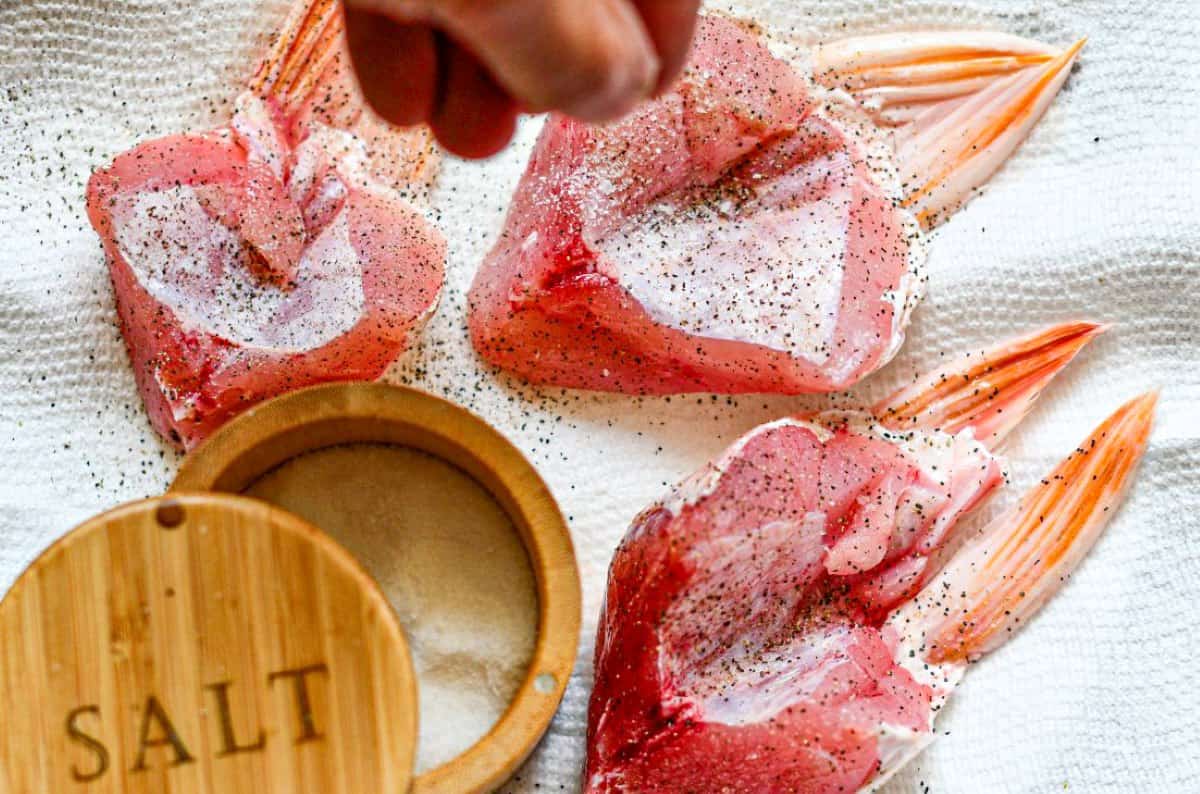
3. In a shallow dish or large resealable plastic bag, combine ½ teaspoon of salt with the flour, cornstarch, black pepper, onion powder, garlic powder, and paprika. Mix until evenly distributed.
4. Place the fish collars in the dredging mixture, ensuring it is completely coated. Press the mixture onto the fish collars, then shake off any excess.
Note: If you have time, allow the breaded fish collars to rest for 10 minutes before frying. This helps the coating stick better during cooking.
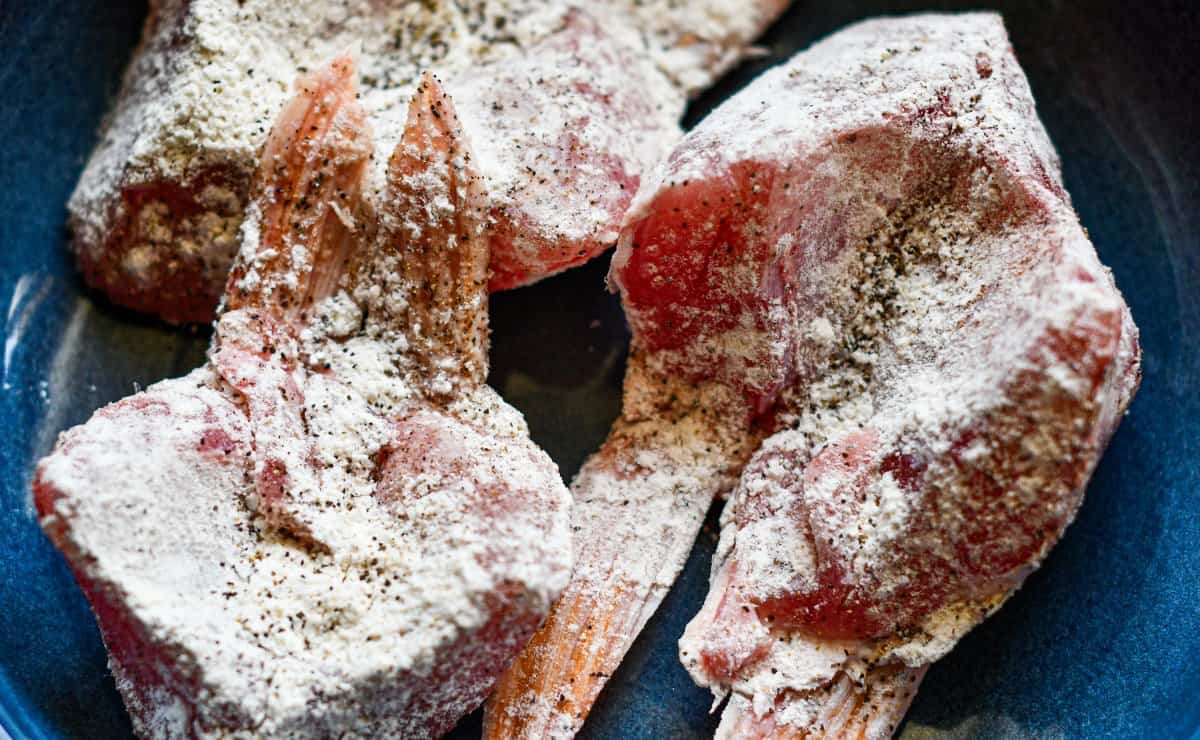
5. When ready to cook, pour enough oil into a large heavy skillet to reach about ¾ inch deep. Heat the oil to 350 degrees F.
6. Fry fish until golden brown, about 3 ½ minutes per side, until the fish reaches an internal temperature of 145 degrees F using an instant-read meat thermometer.
7. Remove fish from oil and place on a paper-towel lined plate for 2 minutes. Sprinkle with remaining ¼ teaspoon of salt and serve hot.
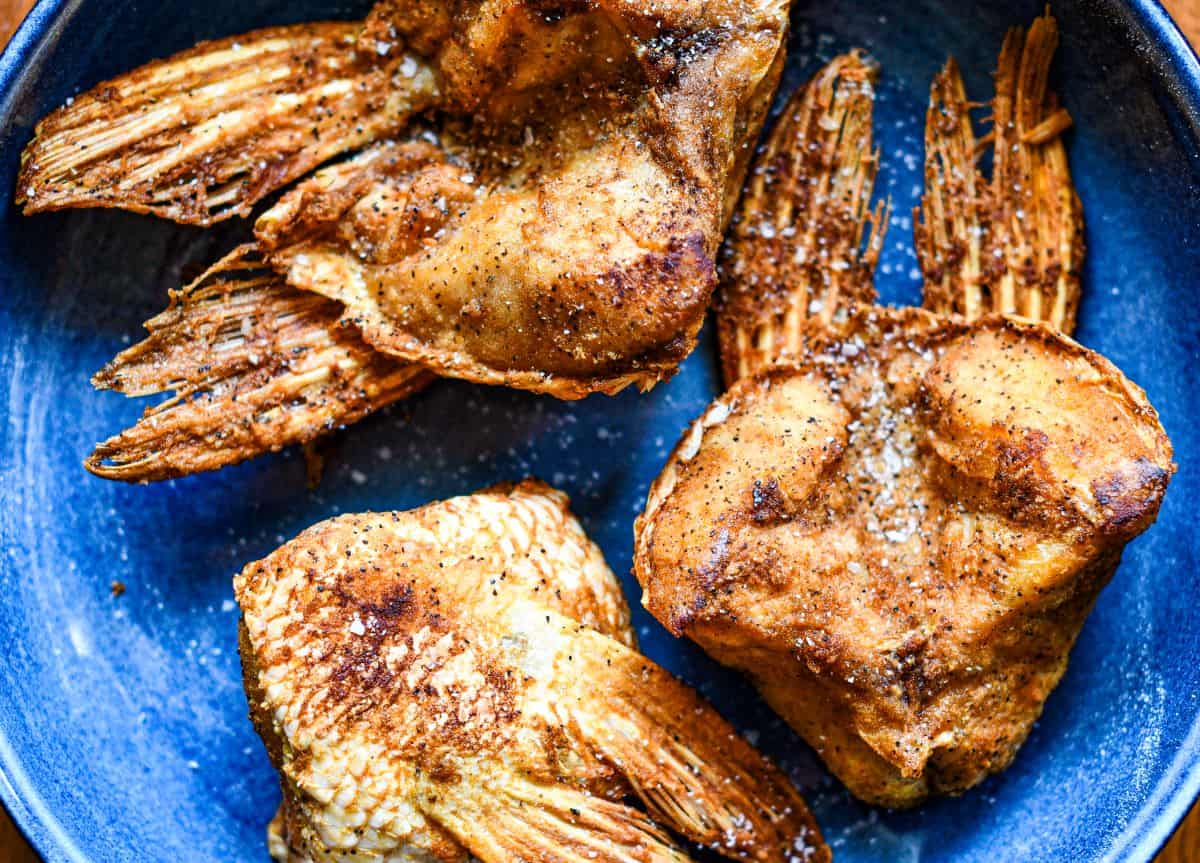
Whether you call them fish wings, fish collars, fish throats, or saltwater quail, this underused cut deserves to be eaten. So the next time you catch a fish, don’t stop at the fillets. Reach for the throat. Because in the world of fish cooking, the best bites are often hiding just behind the gills.
Tested And Approved Fish Collar Recipe
This Fried Fish Collar Recipe, just like all of the recipes you'll find on this food blog, was tested and approved by my wife and our 10-year-old daughter. That way, you can be assured they are family friendly.
If you are looking for another great recipe for a fish you can catch along the Gulf coast, be sure and check out these other family favorites:
- Baked Redfish on the Halfshell
- Speckled Trout Fish Piccata
- Easy Pan Seared Redfish
- Butter Poached Puffer Fish
- Ocean Trout with Quinoa Salad
Or find all of our fish recipes here.
Join Our Wild Game Cooking Community
Sign up here to receive a new recipe in your email inbox every Tuesday morning!
DID YOU MAKE THIS RECIPE?
If you make this Fried Fish Collars (Fish Wings) Recipe, tag @wildgameandfish so I can share it on my Instagram stories.
Did you enjoy this Fish Collar Recipe? Be sure to leave a 5-star rating RIGHT HERE!
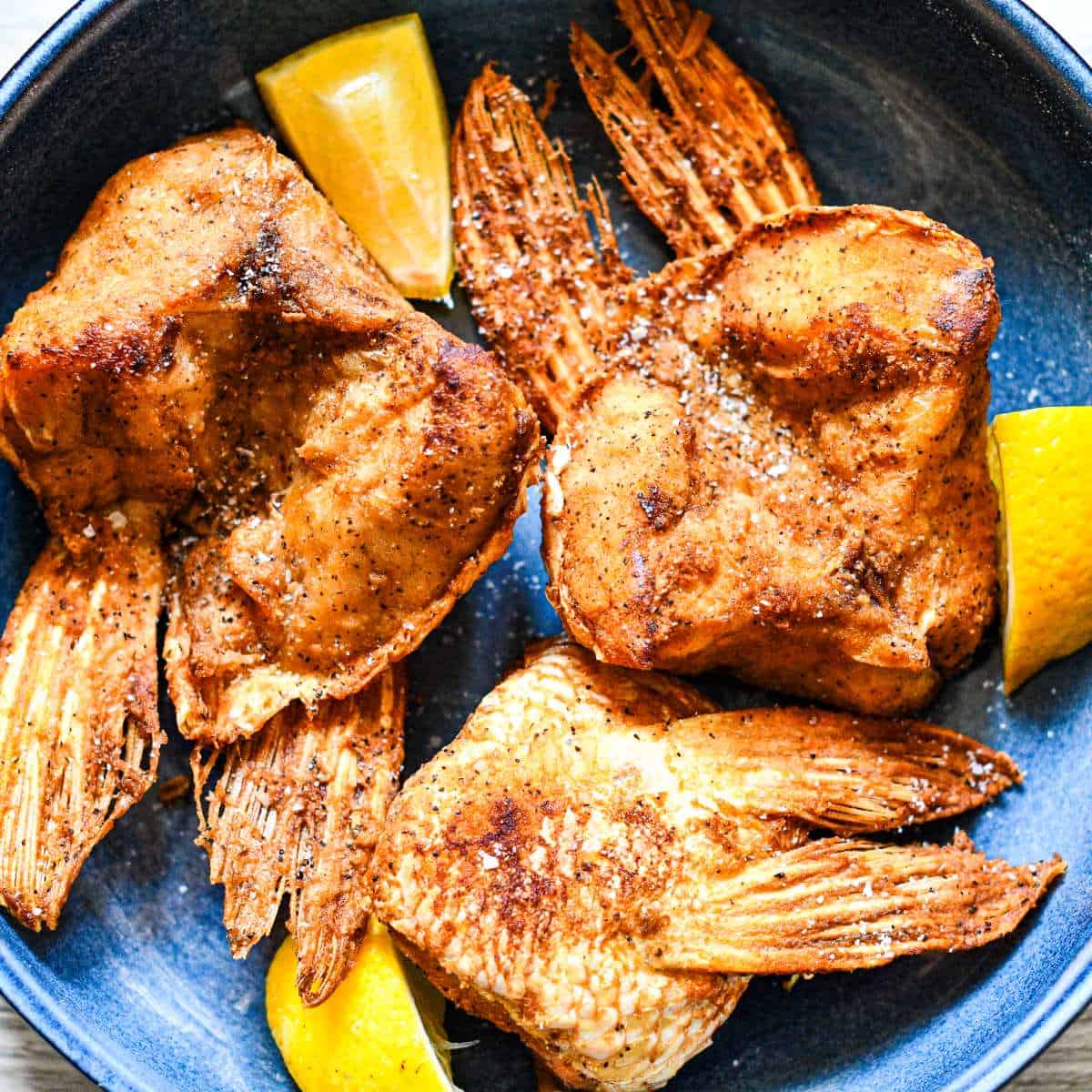
Fried Fish Collars (Fish Wings)
Ingredients
- 2 pounds fish collars
- 1 ½ teaspoons kosher salt, divided
- ¼ teaspoon black pepper, divided
- ½ cup all-purpose flour
- 2 Tablespoons cornstarch
- ⅛ teaspoon onion powder
- ⅛ teaspoon garlic powder
- ⅛ teaspoon paprika
- vegetable oil, for frying
Instructions
- Pat fish collars dry with paper towels to remove any excess moisture. Season all over with ¾ teaspoon of the kosher salt and ⅛ teaspoon black pepper.
- In a shallow dish or large resealable plastic bag, combine ½ teaspoon of salt with the flour, cornstarch, remaining black pepper, onion powder, garlic powder, and paprika. Mix until evenly distributed. Place the fish collars in the dredging mixture, ensuring it is completely coated. Press the mixture onto the fish collars, then shake off any excess. **Note: If you have time, allow the breaded fish collars to rest for 10 minutes before frying. This helps the coating stick better during cooking.
- When ready to cook, pour enough oil into a large heavy skillet to reach about ¾ inch deep. Heat the oil to 350 degrees F (175 degrees C).
- Fry fish until golden brown, about 3 ½ minutes per side, until the fish reaches an internal temperature of 145 degrees F using an instant-read meat thermometer.
- Remove fish from oil and place on a paper-towel lined plate for 2 minutes. Sprinkle with remaining ¼ teaspoon of salt and serve hot.


Rodney says
tasty
Jeff Benda says
Thanks Rodney!
Nick says
These look amazing! Can't wait to try them out.
Jeff Benda says
Thanks Nick. Let us know how they taste when you try the recipe.
Richard says
Good lord these were good. I appreciate not having to use a store-bought mix like we've done in the past. This was a much less expensive option and delicious!
Jeff Benda says
Thanks Richard. Glad you liked it.
Jeff Benda says
Thanks Richard. Great to hear you liked it.