
Homemade Venison Potato Sausage Patties combine venison, pork, and hash brown potatoes with a blend of seasonings for a flavorful breakfast or brunch.
Easy Potato Sausage Recipe
Here in North Dakota, deer hunting and sausage-making are part of our culinary traditions.
As a wild game chef and full-time recipe developer, I've spent years teaching hunters and home cooks how to turn the venison in their freezers into meals their families will love. I've made plenty of homemade deer sausage, and I've learned that the best recipes aren't necessarily the most complicated. They're the ones people feel confident making again and again.
That's exactly why I love this easy potato sausage recipe. Instead of peeling and grating fresh potatoes, I use a 28-ounce bag of frozen Southern-style hash browns. There's no thawing, no squeezing out moisture, and no fussing with a sausage stuffer. Just grind everything together, shape the mixture into patties, and cook until golden brown.
Why This Venison Potato Sausage Is Different
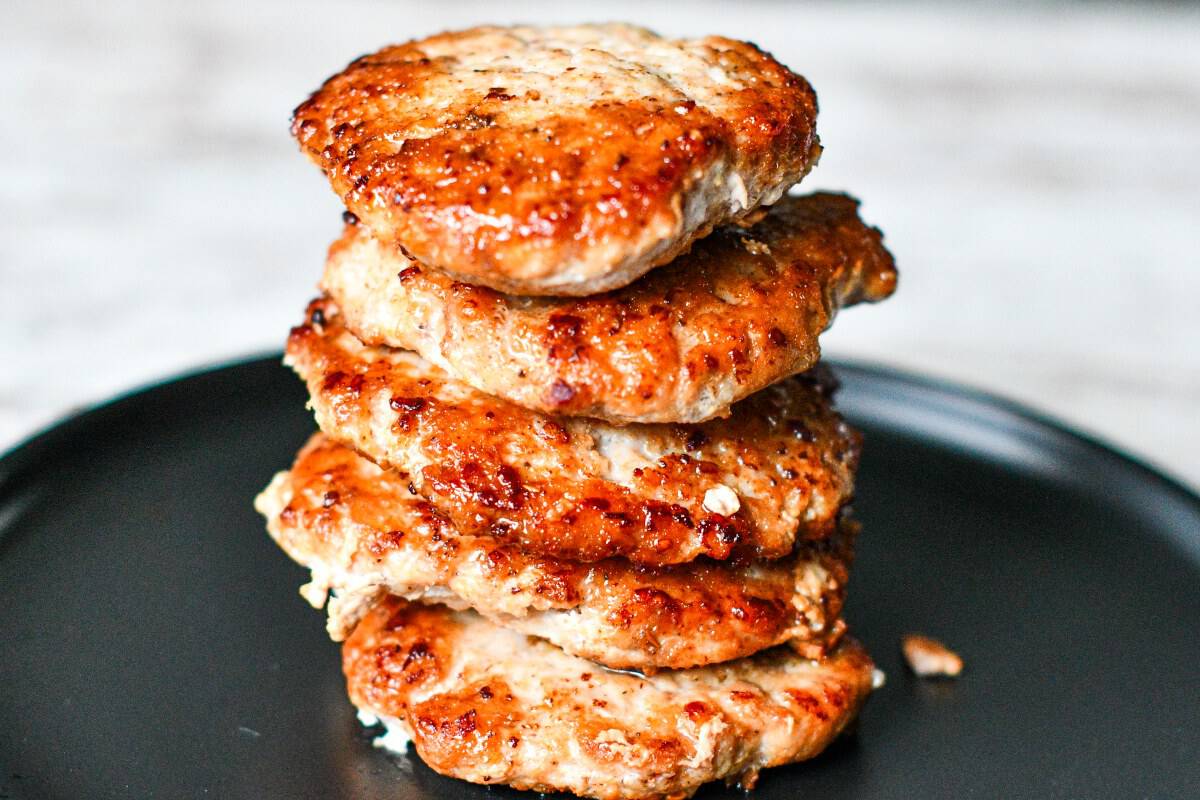
The secret to my deer potato sausage recipe is grinding frozen diced potatoes directly with the chilled venison and pork.
Traditional potato sausage recipes often call for peeling, grating, and draining raw potatoes before combining them with ground meat. My frozen hash brown shortcut eliminates those steps while giving the sausage a lovely, cohesive texture.
Just as importantly, the frozen potatoes help keep the pork fat cold during grinding. Warm fat smears into the meat, while cold fat stays more evenly distributed, giving you a better-textured sausage.
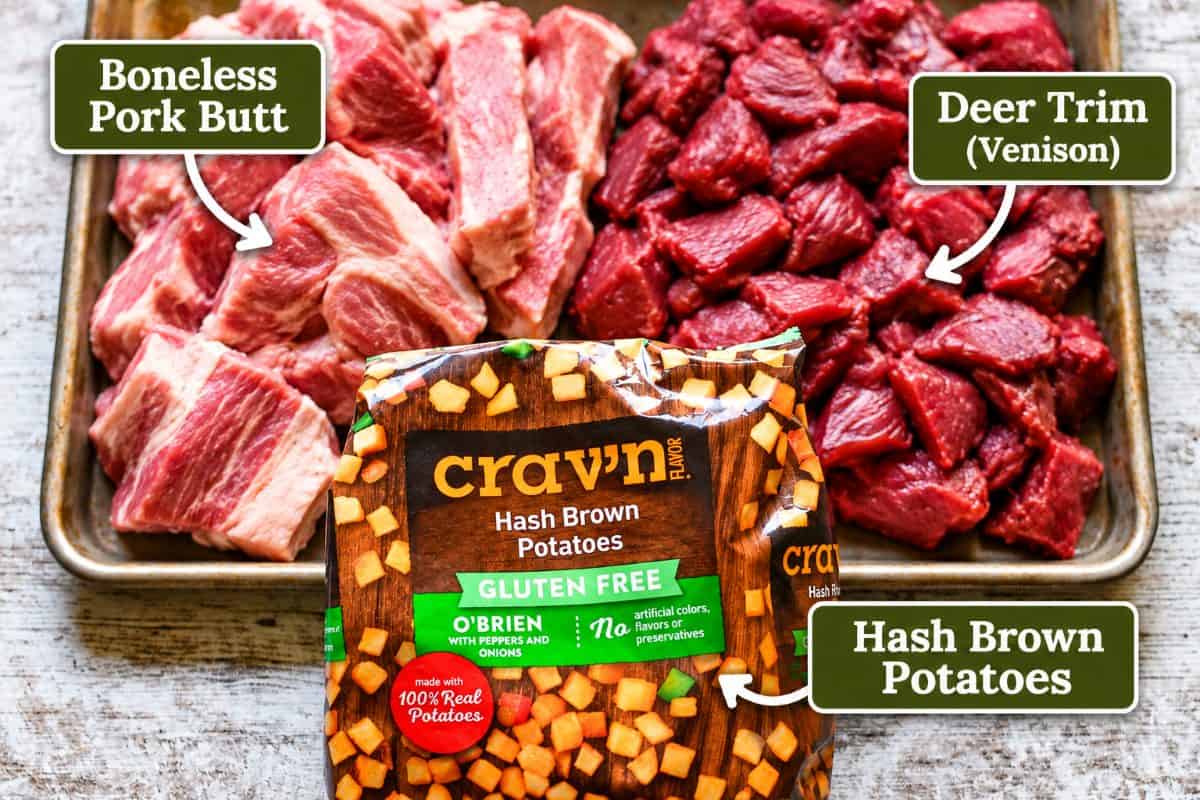
I use just two pounds of venison trim and four pounds of pork butt because I want to make sure it tastes like sausage, not burger. But you could use three pounds of each if you prefer. The pork provides enough fat to balance the lean deer meat, while brown sugar, sage, thyme, and black pepper give these patties that familiar, comforting breakfast sausage flavor.
And because we're making patties instead of links, there's no need to wrestle with sausage casings.
What Is Potato Sausage?
Potato sausage has deep roots in Scandinavian cuisine, particularly in Sweden, where a traditional variety called potatiskorv originated in Värmland.
When Swedish immigrants arrived in the American Midwest during the nineteenth century, they brought their sausage-making traditions with them. Potatoes helped stretch precious supplies of meat, making it possible to feed larger families without wasting anything.
Here in North Dakota, Scandinavian immigrants established farms and communities where resourcefulness wasn't simply admirable. It was necessary.
Families made the most of what they raised, grew, hunted, and preserved. Potato sausage became one of the foods that connected generations, especially around holiday tables.
My version takes inspiration from that tradition but uses venison and frozen hash browns to make the process easier for today's busy families.
How to Make Venison Potato Sausage
If you've never made homemade sausage, don't let the meat grinder intimidate you. The process is straightforward, and a few simple details make all the difference.
Start with cold meat. Cut your thawed venison and pork into 2-inch cubes and chill them in the freezer for 30 minutes to 2 hours. Cold meat moves through the grinder more cleanly, helping preserve the texture of the pork fat.
Keep the hash browns frozen. Add them directly to the seasoned meat before grinding. Use a sturdy grinder that can handle frozen diced potatoes, and don't force the machine if it struggles.
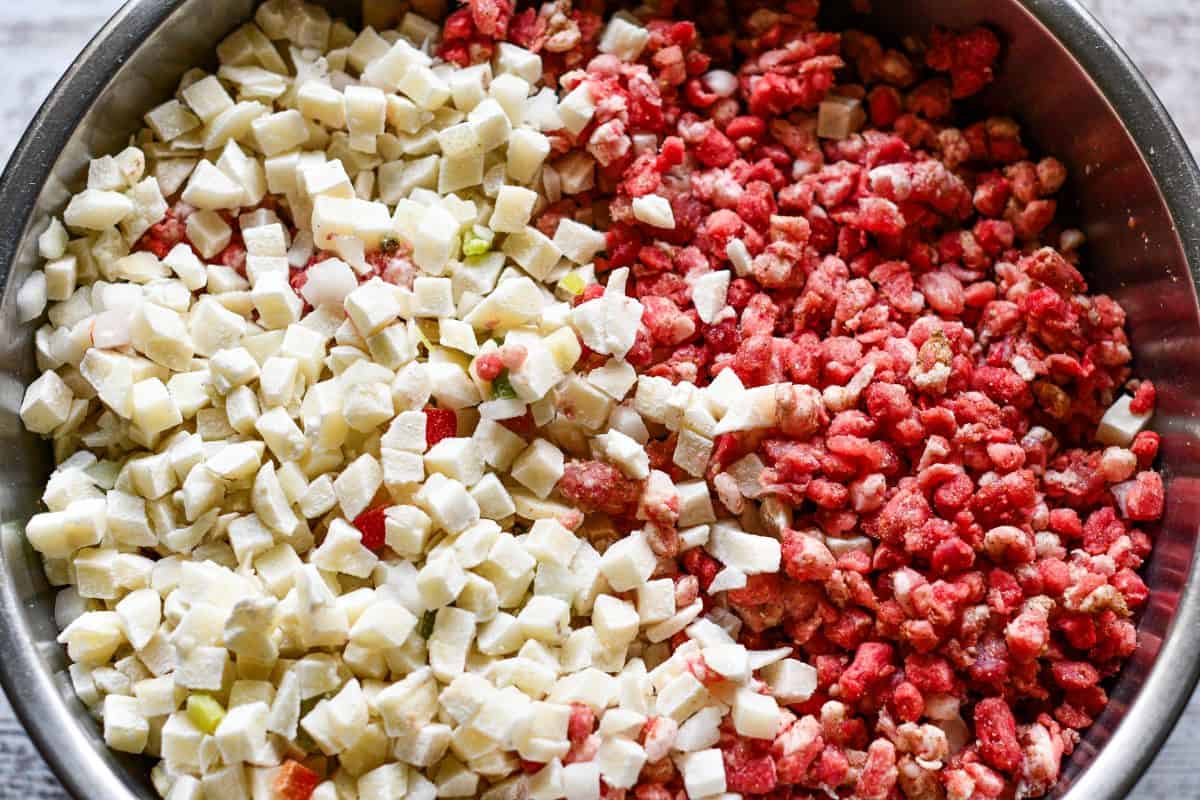
Mix until cohesive. After grinding, work the sausage gently by hand for 1–2 minutes. This helps develop the proteins that hold the patties together.
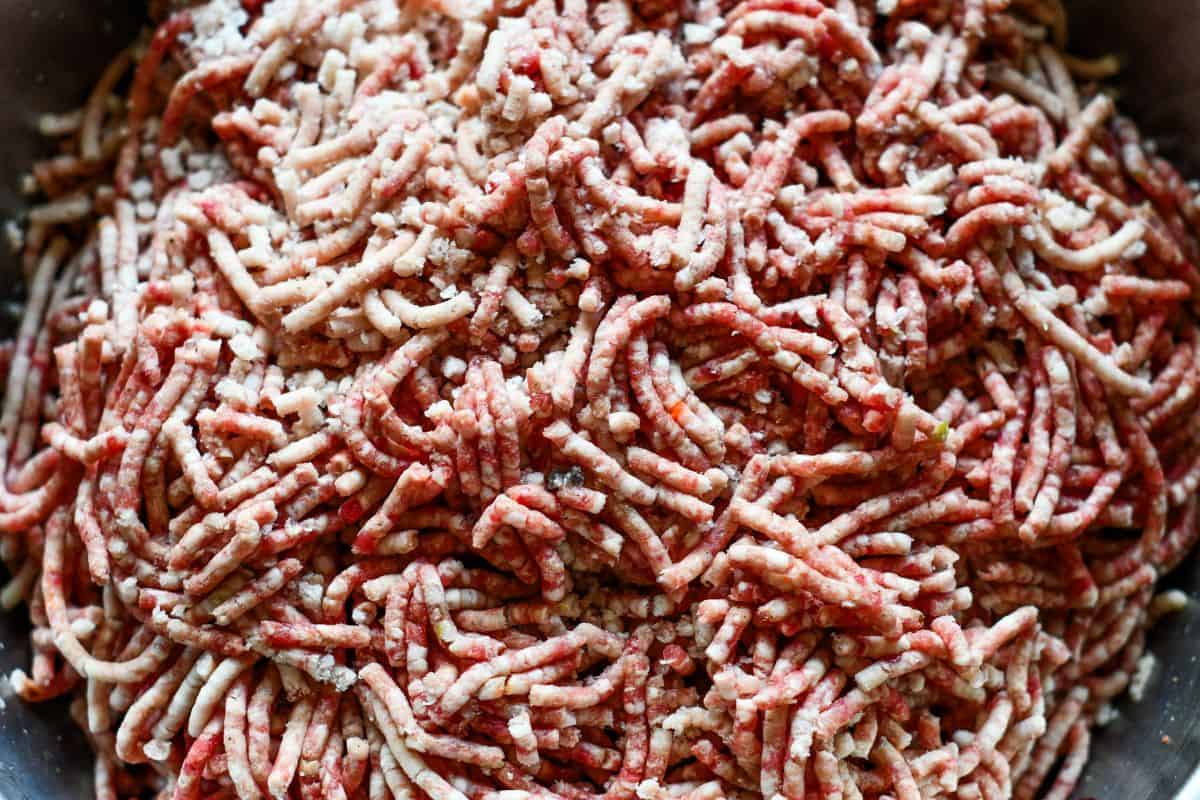
Cook a test patty. Before shaping the entire batch, cook a small portion to 160 degrees F and taste it. This lets you adjust the seasoning.
Brown gently. Brown sugar encourages a beautiful crust, but too much heat can scorch it. Aim for a steady sizzle, and use an instant-read thermometer to confirm the patties reach 160 degrees F.
A North Dakota Family Tradition Worth Keeping
One of my favorite things about making a big batch of venison potato sausage is knowing that the work I put in today will feed my family for months.
I love hearing sausage sizzle in a cast-iron skillet as the kitchen fills with the aroma of browned pork, sage, and black pepper.
And after spending so much of the fall chasing deer, ducks, geese, and pheasants across North Dakota, I appreciate those mornings when I can slow down and sit at the table with my wife, Melissa, and our 11-year-old daughter, Lucia.
These are the meals I want Lucia to remember. Not because they're elaborate, but because we took the time to make them and enjoy them together.
That's what makes this venison potato sausage special to me. It connects the deer we bring home, the food traditions of the place we live, and the people gathered around our table.
More Deer Sausage Recipes
If you are looking for deer sausage recipes, be sure to check out my Deer Sausage Balls Recipe and my Deer Sausage, Cranberry, and Cream Cheese Bites.
Come Deer Hunting in North Dakota
If you are headed our way for North Dakota deer season, check out the North Dakota Game & Fish Department website. If you want me to come along as your camp cook, photographer, or butcher, you can find more details here.

Join Our Wild Game Cooking Community
Sign up here to receive a new recipe in your email inbox every Tuesday morning!
Buy Jeff Benda's Wild Game & Fish Cookbook
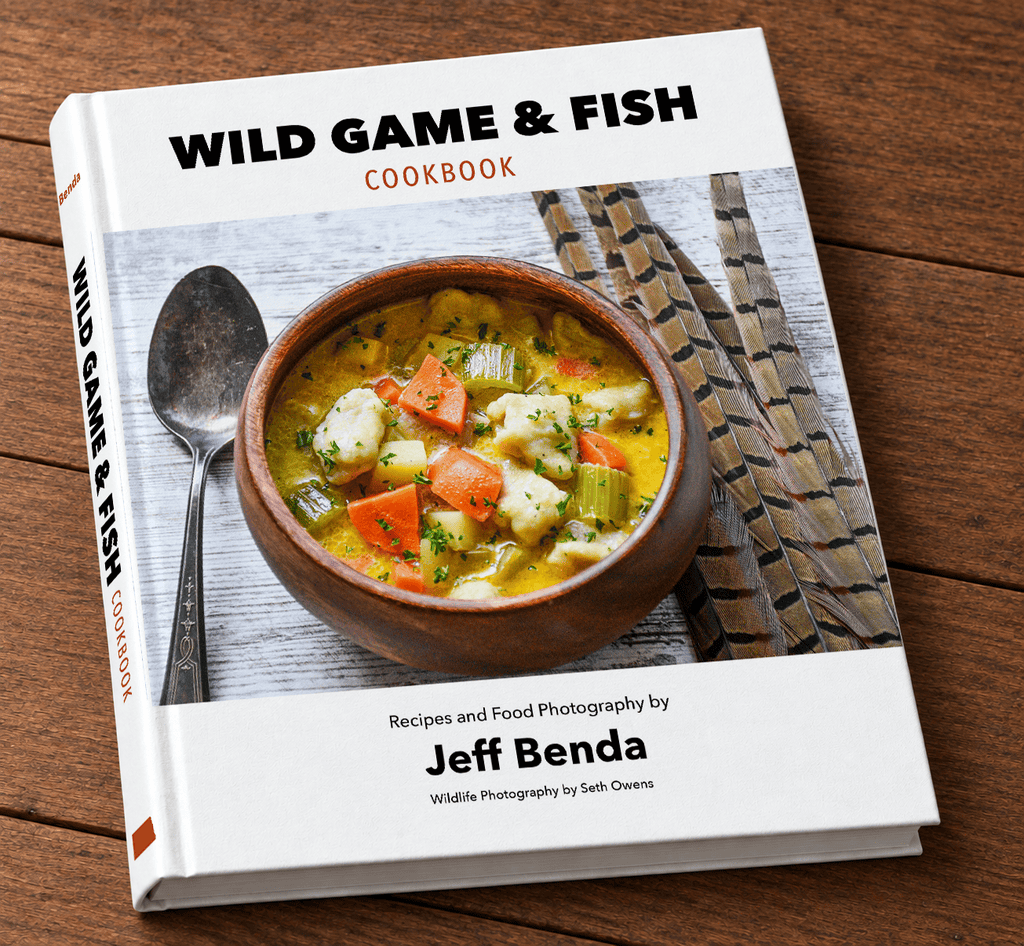
Wild Game & Fish Cookbook
I can’t believe my book is finally here! Writing it was one of the hardest, most exciting, and most fun things I’ve done. It was created for you!
You’ll love this collection of 80 weeknight recipes, including trusted family and reader favorites and exciting new dishes.
DID YOU MAKE THIS RECIPE?
If you make this Venison Potato Sausage Recipe, tag @wildgameandfish so I can share it on my Instagram stories.
Did you enjoy this Potato Sausage Recipe? Be sure to leave a 5-star rating RIGHT HERE!
Venison Potato Sausage
Equipment
Ingredients
- 2 pounds venison trim, well chilled
- 4 pounds boneless pork butt roast, cut into 2-inch cubes and chilled
- 1 28-ounce bag frozen Southern-style diced hash browns, kept frozen
- 2 tablespoons kosher salt
- 3 teaspoons black pepper
- 4 tablespoons packed brown sugar
- 2 teaspoons dried sage
- 2 teaspoons dried thyme
- 2 teaspoons onion powder
- 2 teaspoons garlic powder
- ½ teaspoon cayenne pepper
Instructions
- Prepare the meat. Trim away any silver skin and tough connective tissue from the venison, then cut the venison and pork butt into 2-inch cubes. Spread the meat in an even layer on a rimmed baking sheet and freeze for about 30 minutes, until firm and thoroughly chilled but not frozen solid. Place your grinder parts in the freezer as well. Keep everything cold to preserve a beautifully textured sausage, with the pork fat staying in distinct little pieces instead of smearing into the meat.
- Combine the seasonings. In a small bowl, whisk together the kosher salt, black pepper, brown sugar, sage, thyme, onion powder, garlic powder, and cayenne pepper. Take a moment to break apart any clumps of brown sugar. You want every bit of sweetness and spice evenly distributed, so each mouthful tastes as good as the last.
- Combine the meat and potatoes. Transfer the chilled venison and pork to a large bowl and scatter the seasoning mixture over the top. Toss thoroughly by hand until every piece is lightly coated. Add the frozen Southern-style hash browns straight from the freezer and toss once more. There's no need to thaw them. Keeping the potatoes frozen helps the mixture stay cold during grinding, which is exactly what you want.
- Grind the sausage. Fit a sturdy meat grinder with a medium grinding plate (approximately ¼ inch). Working in batches, feed the seasoned venison, pork, and frozen hash browns through the grinder together, alternating ingredients to keep everything evenly distributed. Collect the sausage in a large bowl set over ice. The potatoes should disappear into the meat rather than remain as distinct cubes, creating a wonderfully cohesive mixture. Using clean hands, gently but thoroughly mix the ground sausage for 1 to 2 minutes,
- Test the seasoning. Before committing the entire batch, pinch off a tablespoon or two of sausage and flatten it into a small patty. Cook it in a skillet until it reaches 160 degrees F, then taste. This is your opportunity to decide whether the balance of salt, sweetness, and herbs is just right. A little more black pepper or sage can make all the difference, and it's far easier to adjust the seasoning now than after you've shaped 40 patties.
- Chill the sausage. Cover the bowl and refrigerate for at least 30 minutes. This brief rest lets the seasonings mingle, the ground potatoes soften, and the sausage mixture firm up. The result is a more manageable mixture that's easier to shape and less likely to fall apart during cooking.
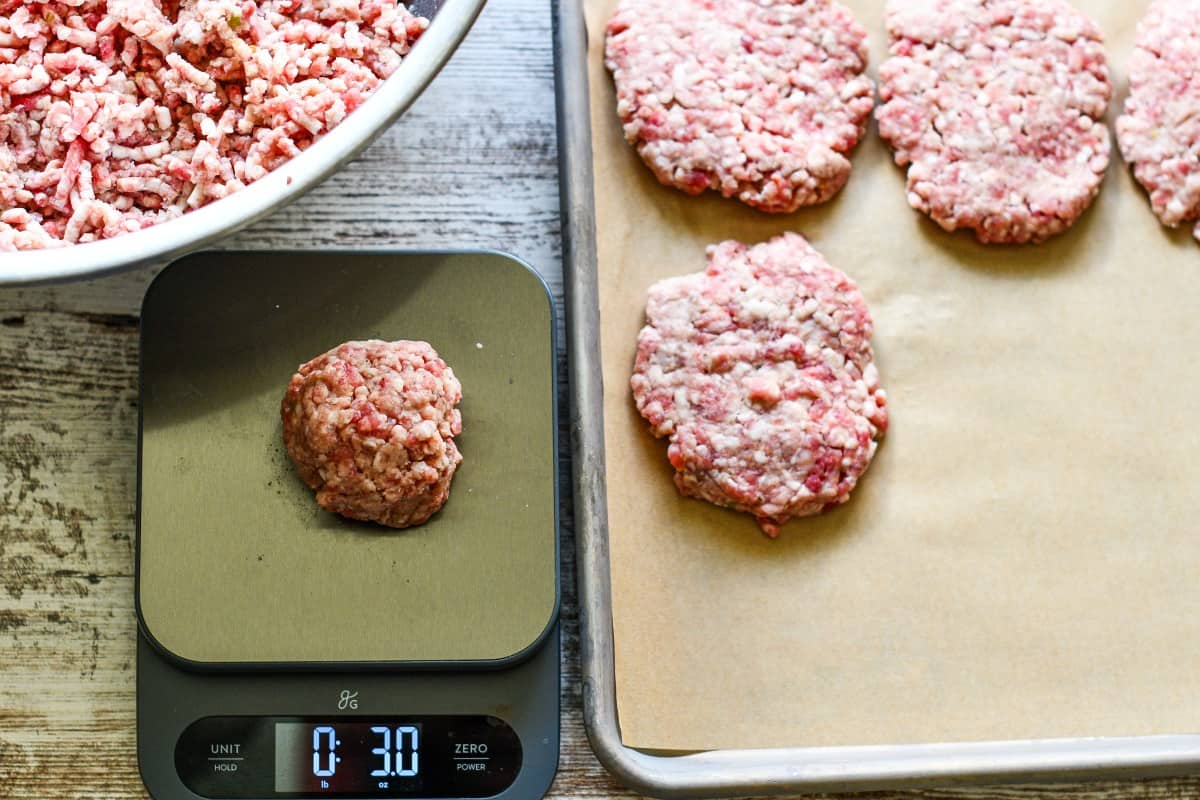
- Form the patties. Divide the chilled sausage into approximately 3-ounce portions and shape each into a round patty about ½ inch thick and 3 inches across. Handle the meat gently, pressing just firmly enough to hold it together.
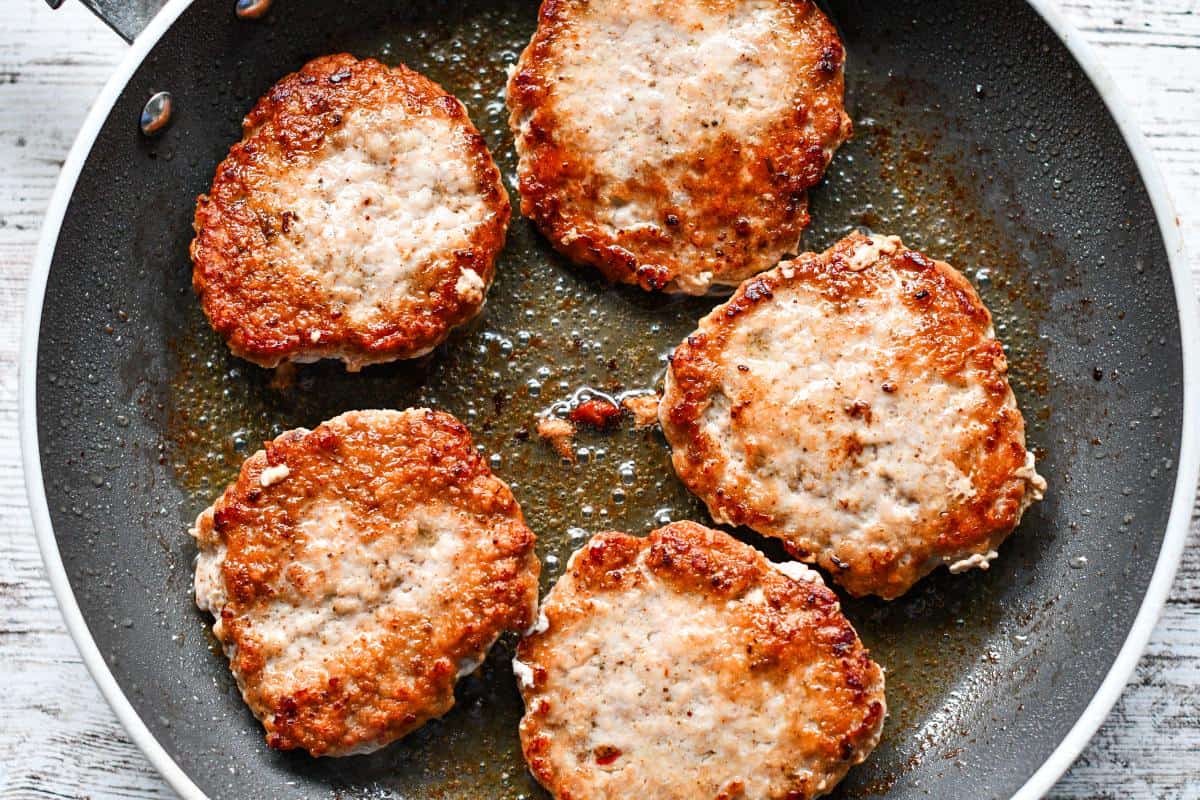
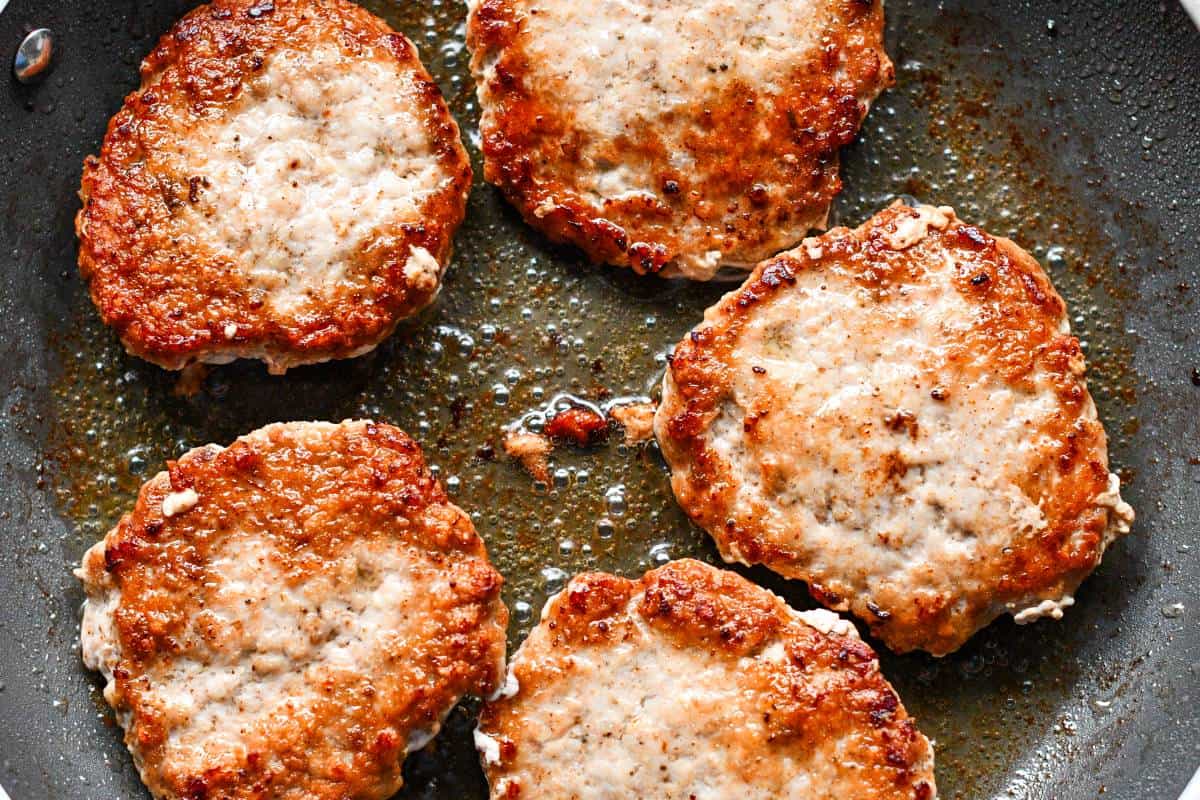
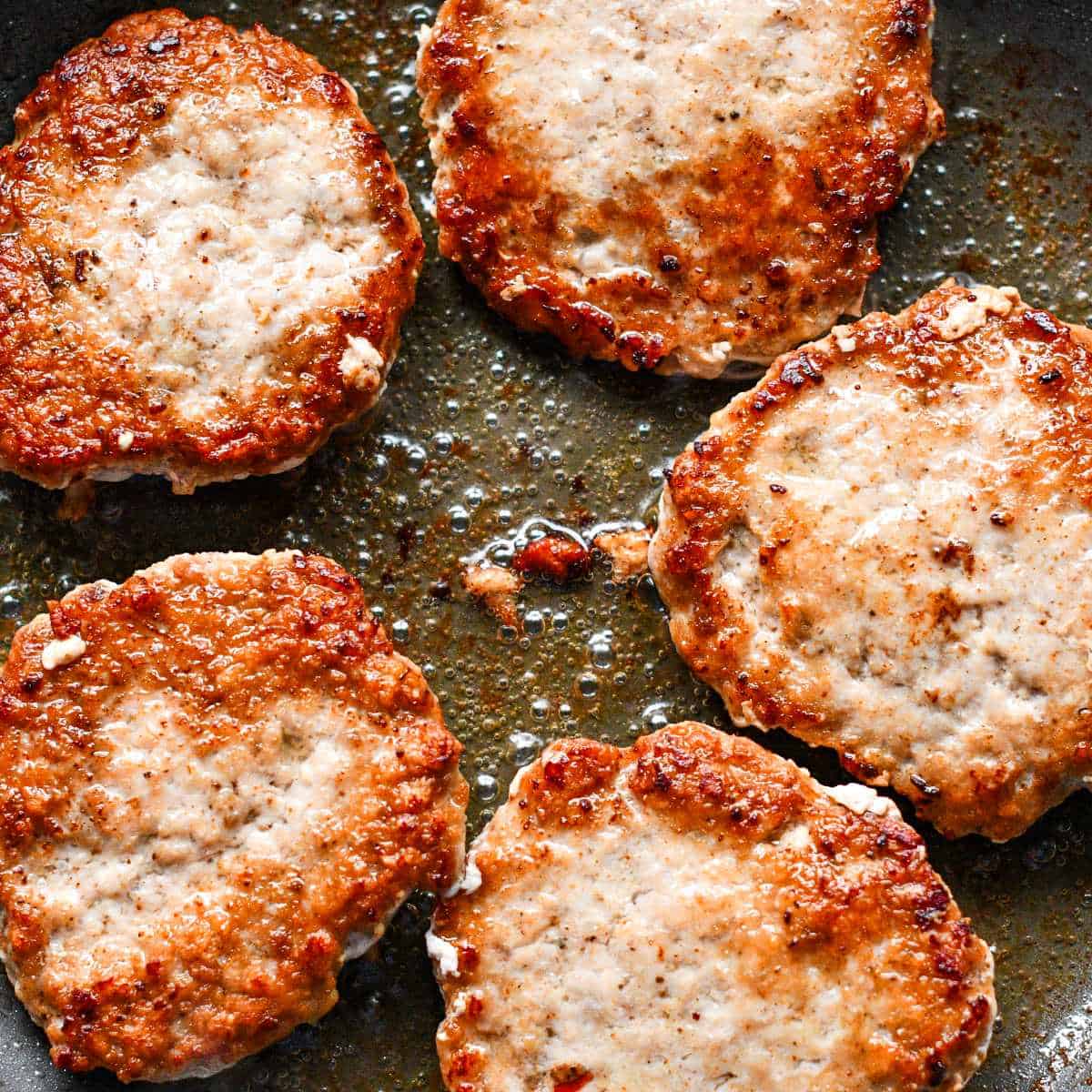
- Cook the patties. Heat a 12-inch nonstick or well-seasoned cast-iron skillet over medium-low to medium heat. Add a little high-heat cooking oil if needed, then arrange 4–5 patties in the skillet, leaving enough room between them for the moisture to escape. Cook undisturbed for 2 ½ minutes, until the undersides develop a deep golden-brown crust. Turn the patties and cook for another 2 ½ minutes, adjusting the heat if they're browning too quickly. The brown sugar creates a gorgeous caramelized exterior, but patience is essential. You want a gentle, steady sizzle, not an aggressive sear that scorches the sugar before the center cooks through. Check with an instant-read thermometer, making sure the thickest part of each patty reaches 160 degrees F. Rest and serve.
- Freeze the remaining patties. If you're not cooking all the sausage right away, arrange the uncooked patties in a single layer on a parchment-lined baking sheet, making sure they don't touch. Place the baking sheet in the freezer for 1–2 hours, until the patties are firm, then transfer them to freezer-safe bags or airtight containers, separating layers with parchment paper to prevent sticking. Label with the date and freeze for up to 3 months for best quality. When you're ready for a hearty breakfast, simply thaw the number of patties you need overnight in the refrigerator, then cook as directed above until they reach an internal temperature of 160 degrees F.


Leave a Reply